 Login AI
Training Your Team on Content Localization
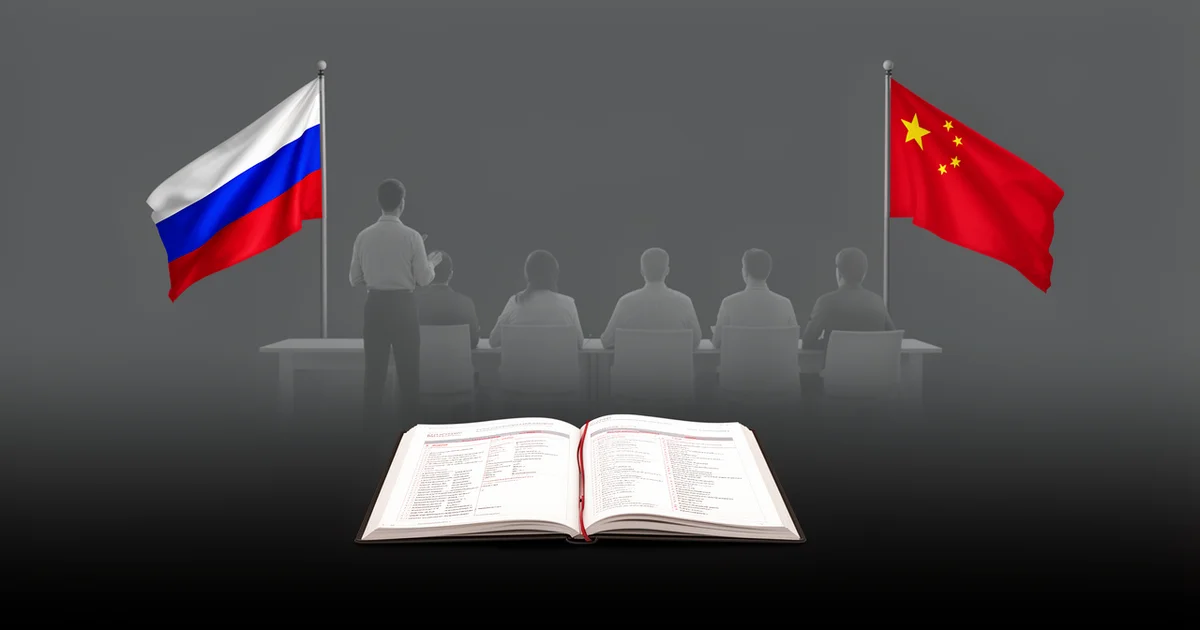
We run training on content localization: translation, glossary, cultural adaptation and voice-over. The program runs on your materials: the site, articles, interfaces, video. We cover the brand glossary and rights, and hand over the ready glossary and a localization playbook. We run sessions in short blocks fitted to the team's schedule. We work through your texts, interfaces and captions on real examples, and a separate module covers the glossary and native review in every language and market. Practice is built so the team ships locales on the launch date and keeps quality in a new market.
We teach your team to localize content with AI: translation, glossary, adaptation and voice-over that keep the brand style.
Pricing
from ₽200,000
per program
This is the lower bound of a project. We scope the exact quote after a brief: it depends on volume and the number of integrations.
Capabilities
Translation and adaptation
We teach translating with meaning kept: idioms, units, cultural details. We replace a literal translation with living language.
Brand glossary
We keep one glossary of terms and names. The product speaks the same across languages.
Native-speaker editing
The text passes native-speaker editing. We check terms against the brand glossary.
Voice-over and captions
We localize video: captions, dubbing and titles. Material ships in a new language without a reshoot.
From request to result
1
A content audit
We look at which materials the team translates and into which languages. We build the program for real tasks.
2
Program and glossary
We build the program and a glossary of terms. We work through your texts and the brand tone.
3
Practice on your texts
Participants translate and edit their own materials with the trainer. The skill sticks on the department's tasks.
4
Reinforcement and support
We hand over the glossary and the localization playbook. We help embed the practice in the team's work.
Check if it fits you
Good fit
Entering a new market
The company launches a product in another language. The course prepares the team for localization.
A multilingual product
The interface and help content live in several languages. Practice keeps the terms in agreement.
Not a fit
One language and market
If the audience speaks one language, localization can wait for a new market.
A job of two lines
A short text is faster to translate through a regular service.
What you get
×3
speed of entering a new market
We trained an agency editorial team on localization: glossary, adaptation, native review. The team ships materials in five languages.
One glossary
A brand glossary
The team keeps a glossary of terms and names. It is the reference for every new text and every new translator.
In weeks
Translation speed
Translation speed depends on the volume of materials. The team ships a small batch in a few weeks, a large release follows the shared schedule.
Living language
A native review
A native speaker brings the text to natural sound. In the review the team sees which wordings give a translation away.
What the delivery includes
A brand glossary
One glossary of terms, names and wording. We hand the glossary to the team for new materials.
A localization playbook
The document maps the path of a text: translation, editing, review. The playbook removes manual approvals.
A translation review
A review of the team's strong and weak translations. Every participant sees their mistakes and growth points.
Where the solution pushes back
- 01
Accuracy versus speed
The speed of a translation loses nuance, and a verified text takes time. We teach picking the pace and the editing scope.
- 02
Terms need a glossary
Without a glossary terms drift between translators. We teach keeping one glossary of terms.
- 03
Cultural details
Idioms and examples from one market sound foreign in another. We teach adapting the meaning to the culture.
What we teach
What we teach
Building a glossary of brand terms.
Translating with adaptation for the market.
Reviewing text with a native speaker.
Making captions and dubbing for video.
Holding one tone across languages.
Building a localization playbook.
Training formats
Training formats
A workshop on your materials.
An online course with homework.
A review of the team's translations with a trainer.
Base and advanced tracks.
A separate track for editors.
Support and answers after the course.
What the team keeps
What the team keeps
A glossary of brand terms.
A localization and review playbook.
A review of typical translation mistakes.
A plan to embed the practice in the team.
Criteria for judging text quality.
Recordings of the sessions.
How the training runs
How the training runs
We start with an audit of the materials and languages the company needs.
We build the program for the markets, formats and roles of the team.
We build a glossary of brand terms in the first session.
Every session ends with practice on the team's own texts.
The trainer reviews each participant's translations and gives detailed feedback.
We look separately at native-speaker editing and typical translation mistakes.
Between sessions the team reinforces the skill on real materials.
At the end we build the glossary and a localization playbook for the team.
We hand over a plan to enter new languages and markets.
We answer the team's questions after the course ends too.
Cost calculator
This is an indicative range, not a quote. We scope the exact estimate after a brief: it depends on volume and the number of integrations.
Participants
Languages
Format
Service
Training Your Team on Content Localization
The estimate covers our team's work. Hardware, third-party service licences and travel are added on request.
Estimated cost
₽356,000
Timeline
2 wk
Frequently asked questions
How is this different from machine translation?
Machine translation knows the language but mixes up terms and tone. We keep a glossary and have a native speaker edit the text.
Who checks quality?
A native speaker of the target language reads the text after translation. Edits come back annotated: what changed and why.
Do you localize video?
Yes, we cover captions, dubbing and on-screen text swaps.
Is it live or online?
Both: workshops, online courses and hybrids. Practice runs on your materials.
What remains after the course?
A glossary of terms, a localization playbook and a review of typical mistakes.
What teams add to this service
Related Services
Implementation Examples
×3
Publishing volume
Ready to discuss your task?
Leave a request – we'll get back with a proposal and a preliminary estimate.
Contact us