 Login AI

Integrating AI agents with a CMS
We connect AI agents to your CMS: page drafts, translations, meta tags, and product cards are created through the API, and publishing requires editor approval.
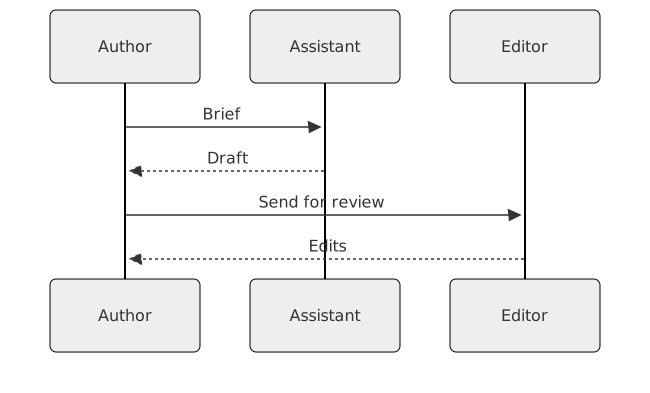
The agent prepares pages, translations, and meta tags in the CMS, and the editor only approves.
Pricing
from ₽700,000
per project
This is the lower bound of a project. We scope the exact quote after a brief: it depends on volume and the number of integrations.
Capabilities
Page drafts
The agent assembles the page structure and text from the brief and catalog data, leaving the editor a ready draft.
Translations without re-markup
The agent translates and moves markup between locales while keeping links and components.
Meta tags and structured data
The agent fills title, description, and schema.org from a template instead of leaving fields empty.
Publishing on approval
The draft goes to review, and the page reaches production after the editor approves it.
From request to result
1
Content and CMS audit
We review content types, locales, and roles: where the agent may create drafts and what a template locks.
2
Content model
We fix page templates and field-filling rules so the agent does not invent the structure.
3
Integration and templates
We connect to the CMS API, move markup into components, and set up drafts and translations.
4
Pilot on one section
Two weeks on one section: we measure drafts accepted without a rewrite and the editor's edits.
Check if it fits you
Good fit
A CMS with an API and roles
Strapi, WordPress, or Contentful offer an API and rights: the agent creates drafts only.
An editor and a content plan exist
Direction and tone are set: the agent speeds up output instead of replacing the editorial team.
Not a fit
Content ships once a quarter
With rare publishing, automation does not pay off and preparing the material by hand is simpler.
Publishing without an editor
We do not auto-publish text without human review: factual-error risk outweighs the gain.
What you get
−45%
editor time per release
The agent prepared article drafts and translations, and the editor edited and published; the release cycle shrank.
Ready draft
A draft to start from
A page draft appears from the brief and catalog data, so the editor starts from ready text and structure.
One pass
Translations without a rebuild
The agent moves blocks and links between locales, and the editor checks the wording. Translations stop needing a rebuild.
Filled fields
Meta tags from a template
Meta tags and structured data are filled from a template, so a page ships with filled title and description.
Editor's call
Publishing stays with a person
The agent proposes, the editor approves, and the log shows who changed what. Publishing stays with a person.
What the delivery includes
A content and CMS audit
A content and CMS audit shows where the agent may create drafts and what a template locks.
A content model and templates
The content model fixes page templates and field rules, so the agent holds the structure and the editor approves drafts.
Integration over the CMS API
Integration runs over the CMS API: we move markup into components and set up drafts and translations, with events coming over the bus.
A pilot on one section
The pilot runs two weeks on one section: we measure the share of drafts accepted without a rewrite and the editor's edits.
How the system is built
Draft from the brief
The agent assembles the page structure and text from the brief and catalog data, so the editor gets a ready draft with filled blocks.
Translations between locales
The agent moves blocks and links between locales, keeping components and markup, while the editor checks the wording and approves the release for every locale.
Meta fields from page data
Title, description, and structured data are filled from the page data, so the fields ship filled on publish, and the editor sees a ready structure.
Approval before publishing
The draft goes to review, and the page reaches production only after the editor approves it, with the change recorded in the log by author and time.


Where the solution pushes back
- 01
Editorial team sets the plan
The editorial team sets direction and tone, so the agent follows the content plan. Without it the agent produces lots of text on its own, and you cap the volume by hand.
- 02
A person confirms the facts
The agent double-checks numbers, names, and legal wording, and a person confirms them. That keeps a factual error under the editorial team's control.
- 03
CMS components first
Rigid markup breaks the layout, so we move templates into CMS components first. A component structure holds the markup together as pages are generated.
- 04
Template support gets expensive
The more locales and content types, the more expensive template support becomes. We fix the scope before the start so the estimate stays predictable.
Technologies
The technologies we use in our work and their role in a project.
CMS and publishing
The agent works with Strapi, WordPress, and Contentful through their APIs. Content events run through Kafka, and revision history is stored in PostgreSQL.
Cost calculator
This is an indicative range, not a quote. We scope the exact estimate after a brief: it depends on volume and the number of integrations.
Content types
Sync mode
Editorial workflow
Add-ons
Support
Year one: updates and monitoring, a reply within 2 business days.
Service
Integrating AI agents with a CMS
The estimate covers our team's work. Hardware, third-party service licences and travel are added on request.
Estimated cost
₽1M
Timeline
3 wk
Frequently asked questions
Does the agent publish itself?
No, by default a draft waits for editor approval. We enable auto-publishing only for standard cards on a strict template.
How is markup preserved?
The agent works with CMS components, not raw HTML: blocks, links, and images stay in place.
What about text uniqueness?
Templates set the structure and data comes from the catalog. The editor checks facts and tone before publishing.
How long does the rollout take?
A pilot on one section takes two weeks; a full launch with several locales starts at six weeks.
What happens when the catalog changes?
When a product, price, or availability changes, the agent rebuilds the page draft from the fresh catalog data and flags the changed fields. The editor sees the list of edits and approves them in one pass.
Can several platforms be connected?
Yes, the agent works with several CMSs and channels over their APIs, and the shared content plan keeps links between locales and platforms. One material ships consistently across all channels.
How do we know the pilot worked?
We measure the share of drafts accepted without a rewrite, editor time per material, and the number of edits after the agent. A high share means we widen the section; a low one means we refine templates and field rules.
What teams add to this service
Ready to discuss your task?
Leave a request – we'll get back with a proposal and a preliminary estimate.
Contact us